Building your dream home or transforming a fixer-upper is an exciting journey — but it comes with financial complexities. For homebuyers who might not qualify for conventional construction loans or who want to take advantage of more flexible credit requirements, FHA construction loans can offer an appealing path forward.

Backed by the Federal Housing Administration (FHA), these loans are designed for individuals looking to either build a new home from the ground up or rehabilitate an existing property. Whether you’re constructing a home on raw land or turning a neglected house into something beautiful, here’s everything you need to know about FHA construction loans in 2025.

What Is an FHA Construction Loan?
An FHA construction loan is a government-insured form of financing that provides the funds needed to pay for a home’s construction or major renovation. The loan covers costs such as the land, labor, materials, permits, and fees. Depending on the type, this loan may convert into a permanent mortgage once the work is complete — meaning you only go through one closing and save on fees.

These loans stand out because they offer low down payment options — as little as 3.5% for borrowers with credit scores of 580 or higher — and are generally more accessible for buyers with moderate incomes or less-than-perfect credit.

How Do FHA Construction Loans Work?
Unlike a standard mortgage, a construction loan is short-term. Funds are disbursed in stages as the construction progresses and inspections are passed. These “draws” go directly to the builder or contractor rather than the borrower.

Once construction is complete, the loan typically converts into a permanent FHA mortgage (in the case of construction-to-permanent loans), or the borrower can apply for a new mortgage to pay off the construction loan.

Types of FHA Construction Loans
1. FHA Construction-to-Permanent Loan (Single-Close Loan):
This one-time close loan covers both the cost of building the home and your permanent mortgage. You’ll finance land, construction, and then roll the balance into a standard FHA loan without needing a second closing.

2. FHA 203(k) Rehabilitation Loan:
This option is ideal for purchasing a home that needs significant renovations. The 203(k) loan includes both the purchase price and the cost of repairs or remodeling in one package. There are two types:

Standard 203(k): For major renovations over $75,000.

Limited 203(k): For minor improvements under $75,000.

FHA Construction Loan Requirements
To qualify, borrowers must meet both standard FHA loan requirements and additional construction-specific guidelines:

  • Credit Score: 580+ for 3.5% down, 500–579 with at least 10% down.
  • Debt-to-Income Ratio (DTI): Generally 43% or lower, though exceptions may be made.
  • Down Payment: Minimum 3.5% for most borrowers.
  • Loan Limits: Must fall within FHA limits based on location and loan type.
  • Occupancy: Property must be a primary residence.
  • Mortgage Insurance: Both upfront and annual premiums are required.
  • Project Documentation: Includes detailed construction plans, cost breakdowns, and contractor credentials.
  • 203(k) Consultant: Required for standard 203(k) loans to estimate renovation costs and oversee progress.

How to Apply for an FHA Construction Loan
1. Prepare Financially
Strengthen your credit score if possible, save for a higher down payment to reduce your loan costs, and budget for potential construction overruns.

2. Choose Your Team
Find a reputable contractor and a real estate agent who can help you identify the right property or lot. For renovation projects, also secure a HUD-approved 203(k) consultant.

3. Get Preapproved
Connect with FHA-approved lenders — not all offer construction loans, so be sure to ask upfront. Shop around, compare rates and terms, and aim to get preapproved by at least three lenders.

4. Submit Your Plans
You’ll need to provide construction specs, contractor details, and a budget before your loan can be processed and approved.

5. Close and Start Building
Once approved, your lender will schedule draw inspections and release funds as the project progresses. After completion, your loan transitions to a regular FHA mortgage (if applicable).

Alternatives to FHA Construction Loans
While FHA construction loans work well for many, they’re not the only option:

  • Conventional Construction Loans: Require higher credit and down payments but don’t come with lifelong mortgage insurance.
  • VA Construction Loans: For eligible veterans, offering 0% down and no PMI.
  • USDA Construction Loans: For low-to-moderate income borrowers building in rural areas.
  • HomeStyle Renovation Loans: A conventional alternative to 203(k) loans, financing up to 75% of the post-renovation value.
  • HELOC or Home Equity Loan: If you already own a property with equity, these options can finance improvements without a full refinance.
  • Cash-Out Refinance: Replace your current mortgage with a new, larger one and use the difference for renovations.

Is an FHA Construction Loan Right for You?
If you’re dreaming of building your ideal home but worry that conventional loans are out of reach, an FHA construction loan may be the right fit. With low down payment requirements and flexible credit standards, these loans make it possible for more Americans to create or transform their forever home.

Just be sure to work with experienced professionals and lenders who understand the nuances of construction lending — and go into the process with a realistic timeline, solid financial cushion, and plenty of patience. After all, building or restoring a home may not be simple — but with the right financing, it’s within reach.

Click Here For the Source of the Information.



Buying a home is one of the biggest financial decisions you’ll ever make and it comes with a learning curve. One important but often overlooked part of the process is homeowners insurance. Whether you’re taking out a mortgage or paying in cash, protecting your property with the right insurance coverage is essential.

But how much coverage do you need? When should you buy it? What does it actually cover and not cover?

Here’s a practical guide to help you shop smart for homeowners insurance, avoid common pitfalls, and walk into your closing with confidence.

Start Shopping Early—Don’t Wait Until Closing Week
You don’t need to wait until you have the keys to secure insurance. In fact, if you’re using a mortgage, your lender will require proof of coverage (usually a policy binder) several days before your closing.

Ideally, start shopping about 30 days in advance. This gives you time to compare quotes, understand your options, and give your insurance company time to underwrite your home. Josh Lipstone, vice president at Lipstone Insurance Group, advises homebuyers to be proactive. Waiting too long could delay your closing, and last-minute scrambling may lead to settling for a subpar policy—or paying more than you should.

You Don’t Have to Match Market Value
One of the most common misconceptions among buyers is thinking their insurance coverage needs to match the price they paid for the home. It doesn’t.

Insurers focus on the rebuild cost—what it would take to reconstruct your home today using similar materials and labor. That number is usually lower than the market value, because it doesn’t include the land or fluctuating real estate prices.

That said, some unique homes with rare woodwork or vintage craftsmanship may require more coverage than their sales price. Let your insurer guide you here, especially if the home has special features.

Opt for a replacement cost policy, which ensures that your insurance will cover the full cost to rebuild—even if prices have risen. Also look for a policy with an inflation guard, which adjusts coverage limits as construction costs increase over time.

Know What’s Not Covered
While homeowners insurance provides broad protection, there are key gaps that catch many first-timers off guard.

For example, if a pipe bursts in your home, the resulting water damage is likely covered. But if water enters from the outside—say, from a backed-up sprinkler or heavy rain—your standard policy won’t help. Similarly, mold, pest infestations, and leaks caused by poor maintenance are typically excluded.

You may be able to add specific protections for a relatively low cost:

Sewer backup coverage: About $40 to $100 per year.

Flood insurance: Around $700 annually on average, but lower in low-risk zones.

Be sure to discuss add-ons or separate policies with your insurance agent if your home is in a flood-prone area or has older systems.

File Claims Sparingly—And Strategically
New homeowners might be tempted to file a claim for every mishap. But insurance companies keep track, and too many small claims in a short span can raise your premiums—or worse, lead to non-renewal.

Instead, treat insurance like a financial safety net for major problems, not minor inconveniences. Choose a deductible you can afford—ideally $2,500 or more—and reserve your claims for events that truly exceed that cost.

As Bill Gatewood from Burns & Wilcox explains, “Homeowners insurance is to cover large catastrophic losses. People shouldn’t think of it as a maintenance policy.”

Compare Quotes and Insurers
Before you commit to a policy, shop around. Get at least three quotes from reputable companies and compare what’s included—not just the premiums. Check out customer satisfaction ratings, especially for how insurers handle claims. Consumer Reports and J.D. Power provide helpful rankings each year.

Also, make sure your agent or insurer understands any unusual aspects of your home—whether it’s historic details, custom features, or a high-value location. The more accurately they assess your home, the better protected you’ll be.

Buying homeowners insurance may not be the most glamorous part of homeownership, but it’s one of the most important. By planning ahead, understanding what your policy does and doesn’t cover, and choosing a deductible that fits your financial strategy, you can avoid surprises and ensure that your new home is protected from day one.

Remember: it’s not just about closing the deal. It’s about protecting the place you now call home.

Click Here For the Source of the Information.

If you’re planning to break ground on your custom home in 2025, you’re in good company. According to recent housing data, nearly one in five new single-family homes built in 2023 were custom-designed and that number that continues to climb. The shift toward personalized living reflects a growing desire among homeowners for homes that not only meet their needs but reflect their values, priorities, and aesthetics.

Whether you’re just gathering ideas or ready to work with a builder, here are ten emerging trends shaping the future of custom home design—offering function, flexibility, and long-term style.

1. Personalized Floorplans That Reflect Daily Life
Gone are the days of settling for cookie-cutter layouts. Homebuyers in 2025 are seeking floorplans that reflect the way they actually live—whether that means an open-concept main level, a private library nook, or a walk-through pantry with custom storage. Many are starting from scratch or modifying existing templates to create homes that fit their routines, family dynamics, and design sensibilities.

2. Flexible Spaces with Multiple Purposes
Post-pandemic living has highlighted the need for homes that evolve with life’s changes. Multipurpose rooms, such as a home office that doubles as a guest suite or a loft that transforms into a playroom or yoga studio, are now considered essential. The more ways a space can be used, the more value it adds to the home.

3. Smart Home Technology Becomes the Norm
Automation is no longer just a luxury, it’s becoming a must-have. From smart thermostats and voice-controlled lighting to integrated security and energy monitoring systems, custom home buyers are prioritizing tech features that simplify life and reduce energy waste. These upgrades offer convenience, improve efficiency, and future-proof your home.

4. Sustainable Luxury with Eco-Friendly Features
The demand for luxury no longer means excess but thoughtful choices. High-end custom homes are increasingly incorporating eco-conscious materials and features like reclaimed wood, bamboo flooring, solar panels, energy-efficient windows, and low-flow fixtures. Homeowners want beauty, but not at the expense of the environment.

5. High-Performance, Low-Maintenance Materials
Durability and quality are taking the spotlight in 2025. Expect to see a growing preference for premium building materials such as composite decking, engineered wood, stainless steel accents, and scratch-resistant floors. These choices offer timeless appeal, reduce upkeep, and stand the test of time—both structurally and stylistically.

6. Textured and Layered Exteriors
Blending various textures and finishes is becoming a hallmark of custom exterior design. Think combinations like stone facades with wood paneling, metal roofing paired with clean stucco, or brick accented with sleek black trim. This layered approach adds depth and modern curb appeal while staying true to the character of the home.

7. Earth-Toned Exteriors with Natural Warmth
Earthy neutrals like terracotta, warm gray, olive green, and sandy beige are set to dominate exterior palettes in 2025. These tones create a welcoming, grounded feel that complements natural materials and landscaping, bringing a sense of harmony between the home and its surroundings.

8. Silver Takes Center Stage Indoors
Inside the home, silver and brushed metal finishes are seeing a resurgence. From stainless steel kitchen fixtures to sleek silver cabinetry pulls, this subtle metallic adds sophistication without overwhelming a space. It also pairs beautifully with both warm neutrals and bold design accents.

9. Organic Touches and Natural Elements Indoors
There’s a strong push toward biophilic design—bringing nature inside to boost well-being and comfort. Reclaimed wood beams, live-edge countertops, stone accents, and indoor plant walls are all examples of how homeowners are reconnecting their interior spaces with the natural world.

10. Classic Design with Lasting Style
Rather than chasing fleeting design fads, many custom homeowners are gravitating toward timeless elegance. Neutral color schemes, traditional millwork, built-in bookshelves, marble countertops, and classic lighting fixtures create interiors that feel both fresh and enduring. This timeless approach ensures that your home stays stylish for years to come.

The custom home of 2025 is about more than aesthetics—it’s about building a lifestyle. From eco-conscious materials and smart technology to versatile layouts and classic finishes, today’s custom homes are crafted to meet modern demands with intention, grace, and individuality. If you’re ready to build, let these trends inspire a space that’s not only beautiful but truly built around you.

Click Here For the Source of the Information.
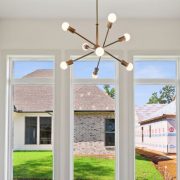
Finding your dream home is exciting—but it’s also full of details you might not notice at first glance. That’s where a seasoned real estate agent becomes your most valuable partner. More than just a great communicator, a good agent brings years of experience and a trained eye to every showing. They’ve walked through hundreds of homes, asked the right questions, and spotted red flags long before they became problems. 

So, what exactly are the professionals keeping an eye on while you’re busy imagining furniture placement or your first backyard BBQ? Here’s a breakdown of what experienced agents always have on their radar:

1. Location, Location… Still Location
The golden rule of real estate hasn’t changed—and for good reason. Location affects everything from your daily commute to your home’s future value. Agents pay close attention to school districts, nearby parks, walkability, safety, and overall neighborhood appeal. Even if you’re swept away by a home’s charm, a savvy agent will bring you back to Earth: the prettiest house won’t make up for a problem-prone area.

2. A Clean and Honest Exterior
First impressions matter—but agents know how to look beyond a freshly painted porch. They’re trained to spot subtle signs of neglect like peeling trim, foggy windows, uneven roofing, or poor drainage. These can point to deeper maintenance issues. On the flip side, if a home just needs a little aesthetic TLC, your agent will help you see the potential rather than passing it up too quickly.

3. How “Move-In Ready” Is It Really?
Many buyers believe they’re open to a fixer-upper… until they understand what that really means in time and money. Agents know this and will gently steer you toward homes that won’t overwhelm you with unexpected projects. They’ve seen enough to know: renovation budgets are often doubled, timelines stretch, and what looked like a simple upgrade turns into a months-long ordeal.

4. A Solid, Dry Basement
It may not be glamorous, but a basement can tell you a lot about a home’s health. Agents look for signs of moisture, foundation cracks, pests, and mold. Musty smells, chalky residue on walls, or oddly placed paint jobs can all be red flags. A dry, tidy basement with good structure is often a sign that the rest of the home has been well maintained.

5. Future Resale Value
While you’re thinking about moving in, your agent is already thinking ahead to when you might move out. They consider resale potential from day one, helping you avoid homes with deal-breakers for future buyers—like a home backing up to a noisy road or lacking curb appeal. Even if you’re unbothered by these things, your future buyer might not be.

6. Signs of a Motivated Seller
Some homes sit longer on the market than others—and that could be your opportunity. Multiple price drops, vacant properties, or listings older than the local average may point to sellers who are ready to deal. A good agent will investigate the reasons why and advise whether the flaws are manageable. If they are, this could be a golden ticket to negotiate a lower price or add renovation funds into your mortgage.

Great agents don’t just help you buy a home—they protect your investment, spot things you can’t, and guide you with candor and care. So when they speak up about a cracked foundation or future resale headaches, it’s worth listening. After all, that’s exactly why you hired them.

Click Here For the Source of the Information.
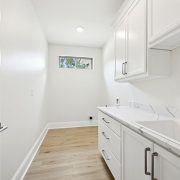
When it comes to choosing between renting and buying, most Americans are still dreaming of owning a home—and for good reason. A recent LendingTree survey found that 93% of people still view homeownership as a key part of the American Dream. And 83% of respondents said they’d rather buy than rent. With all the financial and personal benefits that come with owning a home, it’s easy to see why.With dedicated washer and dryer connections, this room is both efficient and beautifully designed for seamless laundry care.

Turning Payments Into Wealth

One of the biggest advantages of owning a home is the ability to build equity over time. Equity is the part of your home’s value that you actually own, and it grows every time you make a mortgage payment. In the early years of a mortgage, most of the payment goes toward interest, but as time goes on, more of it goes to the loan principal. That slow shift steadily increases your stake in your home which will also increase your personal wealth.

Another powerful factor is home appreciation. As property values rise over the years, your equity increases even more. While the real estate market can have ups and downs, long-term homeowners tend to benefit from steady growth. That’s a key reason why homeowners have a median net worth close to $400,000, while renters average just over $10,000, according to a 2024 report by the Aspen Institute.

Peace of Mind Through Predictability

One of the most frustrating aspects of renting is the uncertainty. Rents can go up year after year, sometimes making it tough to stay in the same place. But with a fixed-rate mortgage—by far the most popular type of home loan—your monthly payments stay the same for the entire loan term. No surprise hikes, no sudden rent increases, just consistent payments you can plan for.

Tax Breaks You Can Count On

Owning a home can also open the door to some valuable tax deductions. The mortgage interest deduction allows homeowners to deduct the interest paid on loans up to $750,000, which covers most mortgages. You can also deduct property taxes, which average around $3,000 per year for single-family homes, depending on where you live.

These deductions can lower your taxable income and potentially put money back in your pocket at tax time.

Freedom to Make It Yours

One of the joys of homeownership is the ability to customize your space. Whether you want to knock down a wall, paint every room a different color, or build a backyard oasis, you can. As long as your plans follow local building codes, you have the freedom to shape your home to reflect your tastes and needs.

Your Home, Your Asset

Real estate is not just a place to live—it’s an investment that can appreciate over time. According to an analysis by Realtor.com, U.S. home prices have historically seen strong returns: on average, a 26% increase over five years and 57% over 10 years. While results vary by region, appreciation adds to your equity and boosts your overall net worth.

A Place to Belong

Homeownership also fosters a sense of connection. Without the fear of being priced out, you’re more likely to settle in, build relationships, and participate in community life. Research shows that feeling rooted in a neighborhood can have a positive effect on mental and physical health, which makes staying put feel even more worthwhile.

Retirement Security and Options

A paid-off home can significantly reduce your living expenses in retirement. With no mortgage to worry about, your housing costs may be limited to property taxes and insurance—leaving more room in your budget for other things.

Many retirees choose to downsize, selling their current home and buying something smaller. The leftover proceeds—typically around $100,000, according to Vanguard—can be saved or invested to help cover expenses in retirement. Others may choose to tap into their home equity through a refinance, home equity loan, or reverse mortgage to supplement their income.

Control Over Your Space and Privacy

Homeownership also gives you peace of mind when it comes to your privacy and independence. You don’t have to deal with landlords scheduling visits or entering your home for repairs. You call the shots, set the rules, and create the space that works best for you.

Owning a home is more than a financial decision—it’s a lifestyle upgrade. From building wealth and saving on taxes to enjoying stability and creative freedom, homeownership offers a long list of advantages that renting simply can’t match. While it may not be the right move for everyone at every stage of life, for many, it’s still one of the smartest and most rewarding investments they’ll ever make.

Click Here For the Source of the Information.

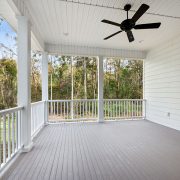
Satellite communications company Globalstar marked a major milestone this week with the grand opening of a brand-new satellite operations center at its Covington, Louisiana headquarters. The 10,000-square-foot facility is designed to serve as the nerve center for the company’s expanding global network, giving staff the tools to oversee satellite activity and ground station performance with greater precision and efficiency.A modern ceiling fan adds a stylish finishing touch, making it a versatile space for relaxation or work.

The company had a crowd of business leaders, state and federal officials, including FCC Chairman Brendan Carr and House Majority Leader Steve Scalise, for a first look at the $5 million center. The inside included  walls of glowing monitors and rows of computer terminals that provide a live look at Globalstar’s 24 low-earth orbit satellites and 28 ground stations around the world.

Globalstar executives say the new facility is more than just a high-tech upgrade. It represents a major step forward in how the company manages its satellite infrastructure, optimizes its network, and prepares for future satellite launches. “This is where we’ll be keeping eyes on the entire system,” said CEO Paul Jacobs, who took the reins in 2023. “We’re proud that this next chapter of our global operations is rooted right here in Louisiana.”

In 2022, Apple tapped Globalstar to support its Emergency SOS feature for iPhones, a deal that reshaped the company’s future. Apple initially invested $450 million, much of which went to Globalstar, and followed up with an additional $1.5 billion to expand the service. Now, iPhones starting with the 14 series can connect to Globalstar satellites when outside of cellular coverage, allowing users to send emergency messages—even from the most remote locations.

“This new center isn’t just about technology—it’s about impact,” said Barbee Ponder, Globalstar’s general counsel. “We’re no longer serving a niche group. We’re supporting hundreds of millions of people around the globe, and growing.”

Globalstar’s roots date back to the early 1990s, when it was founded as a joint venture between Qualcomm and Loral. The company launched its first satellites in 1998 but struggled financially, filing for bankruptcy a few years later. In 2004, private equity firm Thermo Capital Partners acquired Globalstar’s assets and later moved the company’s headquarters to Covington—a move influenced by Louisiana’s business incentives and Thermo’s managing partner, Jay Monroe, a Tulane alum with strong local ties.

At the time, Louisiana leaders hailed the relocation as a significant win for the state’s economy. Globalstar initially projected it would bring nearly 600 jobs to the area by 2020. Today, the company has around 400 employees worldwide, with approximately 160 based in Louisiana. While those earlier hiring goals haven’t been fully realized, Jacobs says the company is growing again, with plans to add 75 more Louisiana-based roles over the next year.

Much of that growth is being driven by Apple’s Emergency SOS rollout. The satellite-based service has already proven life-saving. One notable example: a skier stranded in Washington state earlier this year was rescued after tumbling down a 1,000-foot slope and using his iPhone to send a distress signal through the satellite network.

With its high-profile partnership, cutting-edge operations center, and renewed focus on innovation, Globalstar is poised for a new era. The new facility will operate 16 hours per day from Covington, with overnight monitoring handed off to a counterpart team in Toulouse, France, ensuring 24/7 coverage of its satellite fleet.

For economic leaders in St. Tammany Parish and across Louisiana, Globalstar’s expansion is a powerful example of what’s possible when advanced technology, global partnerships, and local investment align.

“This is a major momentum boost,” said Susan Bourgeois, Secretary of Louisiana Economic Development. “Globalstar’s partnership with Apple puts our region on the map and shows that Louisiana can compete on the global tech stage—while offering an unbeatable quality of life.”

Click Here For the Source of the Information.

The custom home building sector is experiencing a modest resurgence, according to recent analysis from the National Association of Home Builders (NAHB), which examined Census Data from the Quarterly Starts and Completions by Purpose and Design survey. While the broader housing market has been heavily influenced by interest rate fluctuations, the custom home building segment has proven more resilient, showing growth after a brief period of market share decline.

During the fourth quarter of 2024, there were 47,000 custom home starts, representing a 7% increase from the same period in 2023. When looking at the full year, custom housing starts reached 181,000 — just under a 2% increase compared to 2023’s total of 178,000. This gradual upward trend suggests a strengthening demand for contract-built homes that cater to individual preferences, even in a market where high interest rates have slowed other types of new home construction.

Currently, custom home building accounts for approximately 18% of all single-family housing starts, based on a one-year moving average. While this is a decrease from the sector’s previous high of 31.5% in the second quarter of 2009, and lower than the 21% peak observed at the start of 2023, it reflects a stable and enduring niche within the home construction industry. Much of the decline in market share can be attributed to an increase in speculative home building, which gained traction in recent quarters.

It’s important to note that the definition of custom home building used in this analysis is fairly specific. It refers only to homes built on a contract basis, where the builder does not hold tax ownership of the property during construction. This narrower view excludes homes intended for sale, meaning the data focuses exclusively on personalized construction projects commissioned directly by homeowners.

As housing trends continue to evolve, the custom home sector may remain an attractive option for buyers seeking greater control over design, layout, and features. Its relative insulation from interest rate pressures makes it a steady force in the housing market, particularly for buyers with the resources to tailor a home to their specifications. With steady growth and a loyal market segment, custom home building appears poised to maintain its role as a meaningful contributor to the broader housing landscape.

After years of challenges fueled by soaring mortgage rates and low inventory, the spring 2025 housing market may finally offer some relief for prospective homebuyers. The market has long favored sellers, thanks to historically high home prices, elevated borrowing costs, and a limited supply of homes. These conditions, coupled with unmotivated sellers clinging to pre-2022 interest rates, created a frustrating environment—especially for first-time buyers. However, new data suggests that the balance may be shifting.

Realtor.com’s February Housing Market Trends report highlights some of the first promising signs for buyers in recent years. Total home inventory rose 27.5% compared to February 2024, marking a significant increase in available homes for sale. Even more encouraging is the uptick in new listing activity, which reached its highest level since February 2021, a time when mortgage rates were still hovering below 3%. While current rates remain around 7%, this increase in inventory suggests that more sellers are entering the market, possibly recognizing that waiting for lower rates is no longer a viable strategy.

This shift in seller behavior is giving buyers more room to negotiate. With properties sitting on the market longer—an average of 66 days this February, up five days from a year prior—sellers are beginning to adjust their expectations. Price reductions are also on the rise, with a 2% year-over-year increase, the largest February gain in nearly a decade. This trend indicates that sellers are becoming more realistic about pricing in order to attract buyers in today’s high-cost environment.

Chief Economist at Realtor.com, Danielle Hale, views the current market as one that is slowly trending toward a more balanced state. She notes that while mortgage rates remain elevated, the increasing number of listings and growing days on market could bring about a stabilization of supply and demand. If these trends continue into the peak homebuying season, buyers may find more opportunities, better pricing, and less competition than they have in recent years.

Though the housing market may not resemble its pre-pandemic form anytime soon, there are signs that the days of ultra-low inventory and sky-high demand are beginning to fade. Spring 2025 could mark the beginning of a more favorable landscape for buyers who have been waiting patiently on the sidelines. With inventory on the rise, price reductions becoming more common, and sellers more willing to negotiate, the coming months may offer the best chance in years to reenter the market with confidence.

Click Here For the Source of the Information.

As 2024 nears its conclusion, the housing market has seen a notable increase in single-family home construction permits, while multifamily development has experienced a significant slowdown. Over the first eleven months of the year, the total number of single-family permits issued nationwide reached 912,910, reflecting an 8.2% increase compared to the 843,654 permits issued in the same period in 2023.

Single-Family Construction Gains Across All Regions
The increase in single-family permits was seen across all four U.S. regions, with the Midwest leading the way at 11.5%, followed closely by the West at 11.4% and the Northeast at 9.4%. The South, while still growing, saw a smaller increase of 6.3%.

At the state level, 44 states saw growth in single-family permits. Montana led the country with a 31.4% increase, while Missouri posted the smallest gain at 2.6%. Six states and the District of Columbia reported declines in single-family permits.

Texas remained the leader in single-family construction, issuing 146,843 permits in the first eleven months of the year, an 8.8% increase compared to the same period in 2023. Florida, the second-largest state for permits, saw a slight 0.3% decline, while North Carolina, ranking third, posted a 7.0% increase.

Multifamily Permits Decline in Most Regions
While single-family construction grew steadily, the multifamily sector saw a sharp decline. Nationwide, multifamily permits dropped 14.5%, falling from 520,919 in 2023 to 445,357 in 2024.

Three out of four regions experienced declines in multifamily permits:

The West saw the largest decline, dropping 29.7%
The South followed with a 19.6% decrease
The Midwest fell slightly, down 3.1%
The Northeast was the only region to see an increase, jumping 32.6%, driven primarily by a surge in permits in New York City.
State-Level Trends in Multifamily Permits
Out of all 50 states, 21 states saw an increase in multifamily permits, while 29 states and the District of Columbia recorded declines.

New York led the nation with a 113.8% increase, more than doubling its number of multifamily permits from 14,544 in 2023 to 31,098 in 2024. On the other hand, Idaho saw the biggest drop, falling 54.3% from 5,469 to 2,497 permits.

Among the top states for multifamily permits:

Texas issued the most multifamily permits but saw a 21.3% decline
Florida, the second-highest state, experienced a 25.0% decline
California, ranking third, saw a 32.0% drop
What These Trends Mean for the Housing Market
The continued growth of single-family home permits suggests that builders are responding to demand for homeownership, especially as affordability challenges persist in the existing home market. The slight decline in single-family permitting in some states could indicate localized slowdowns, but overall, the sector remains strong.

The decline in multifamily permits points to a shift in the rental market, possibly influenced by rising construction costs, changing demand patterns, and concerns over long-term rental affordability. The Northeast’s significant increase in multifamily permits stands in contrast to the rest of the country and highlights the unique dynamics of urban housing markets like New York City.

As 2025 approaches, the housing market will likely continue adjusting to economic conditions, mortgage rates, and shifting buyer preferences. With a growing number of single-family homes in the pipeline, prospective homeowners may see increased options, while the multifamily sector’s slowdown could influence rental availability and pricing in key metro areas.

Click Here For the Source of the Information.
The U.S. housing market ended 2024 on a high note, with new single-family home sales rising more than expected in December. Despite challenges posed by elevated mortgage rates, the demand for new homes remained resilient, contributing to an overall increase in housing activity. The latest data from the U.S. Census Bureau highlights a market that is slowly regaining momentum, driven by increased inventory and competitive pricing.A stunning modern home with white brick and a pitched roof.

Strong Finish to 2024

New home sales climbed 3.6% in December to a seasonally adjusted annual rate of 698,000 units, surpassing economists’ expectations. Additionally, the November sales pace was revised upward to 674,000 units, reflecting stronger-than-initially-estimated demand. On a year-over-year basis, new home sales in December rose 6.7%, signaling sustained buyer interest in newly built properties.

In total, 683,000 new homes were sold in 2024, a 2.5% increase from the previous year. The median price of new homes in December reached $427,000, marking a 2.1% annual increase. However, price growth has slowed as more new homes enter the market, giving buyers additional options and leverage in negotiations.

Regional Differences in New Home Sales

The growth in new home sales varied by region. The Northeast saw the largest jump, with sales soaring 41.7% in December, while the West followed with a 20.3% increase. Conversely, sales declined in the more heavily populated South, falling by 2.1%, and in the Midwest, where they dropped 3.3%. These shifts reflect regional differences in housing supply, affordability, and economic conditions.

Rising Inventory and Smaller, More Affordable Homes

The supply of new homes increased in December, reaching 494,000 units, the highest level since 2007. While 268,000 of these homes were still under construction, 118,000 were completed and ready for occupancy—the most since 2009. The remaining 108,000 homes had yet to break ground, setting a new record for unbuilt inventory.

Homebuilders have been adjusting to market conditions by focusing on smaller, more affordable homes to attract budget-conscious buyers. This strategy has helped keep newly built homes competitively priced with existing homes, a key factor in sustaining demand despite high borrowing costs.

Mortgage Rates Continue to Weigh on Buyers

While new home sales have remained resilient, mortgage rates continue to be a limiting factor for many prospective buyers. The average 30-year fixed-rate mortgage remains just below 7%, a significant increase from previous years. Higher borrowing costs have made it more difficult for buyers to afford homes, though builders have responded by offering mortgage rate buydowns and other incentives.

Newly constructed homes are more likely to offer rate buydowns than existing homes, making them an attractive option for buyers seeking relief from high monthly payments. According to a recent survey, new homes are now priced competitively with existing homes and are far more available, providing an advantage in today’s tight housing market.

Builder Caution Amid Higher Inventory

Despite strong sales, the increase in completed inventory may cause builders to exercise caution in starting new projects. At the current sales pace, it would take 8.5 months to clear the supply of new homes on the market, slightly down from 8.7 months in November. Builders are likely to continue managing inventory carefully to avoid oversupply, particularly if mortgage rates remain high.

The outlook for new home sales remains optimistic, though challenges persist. High mortgage rates and economic uncertainty could temper demand, but builders’ ability to offer financial incentives and adjust home sizes should help sustain momentum. The ongoing supply of new homes, combined with price stabilization, suggests that 2025 could continue the positive trends seen in late 2024.

With more buyers turning to new construction for affordability and availability, the housing market appears to be navigating its way through the challenges of high interest rates and economic fluctuations. If inventory remains strong and mortgage rates stabilize, new home sales could see further gains in the coming year.

Click Here For the Source of the Information.